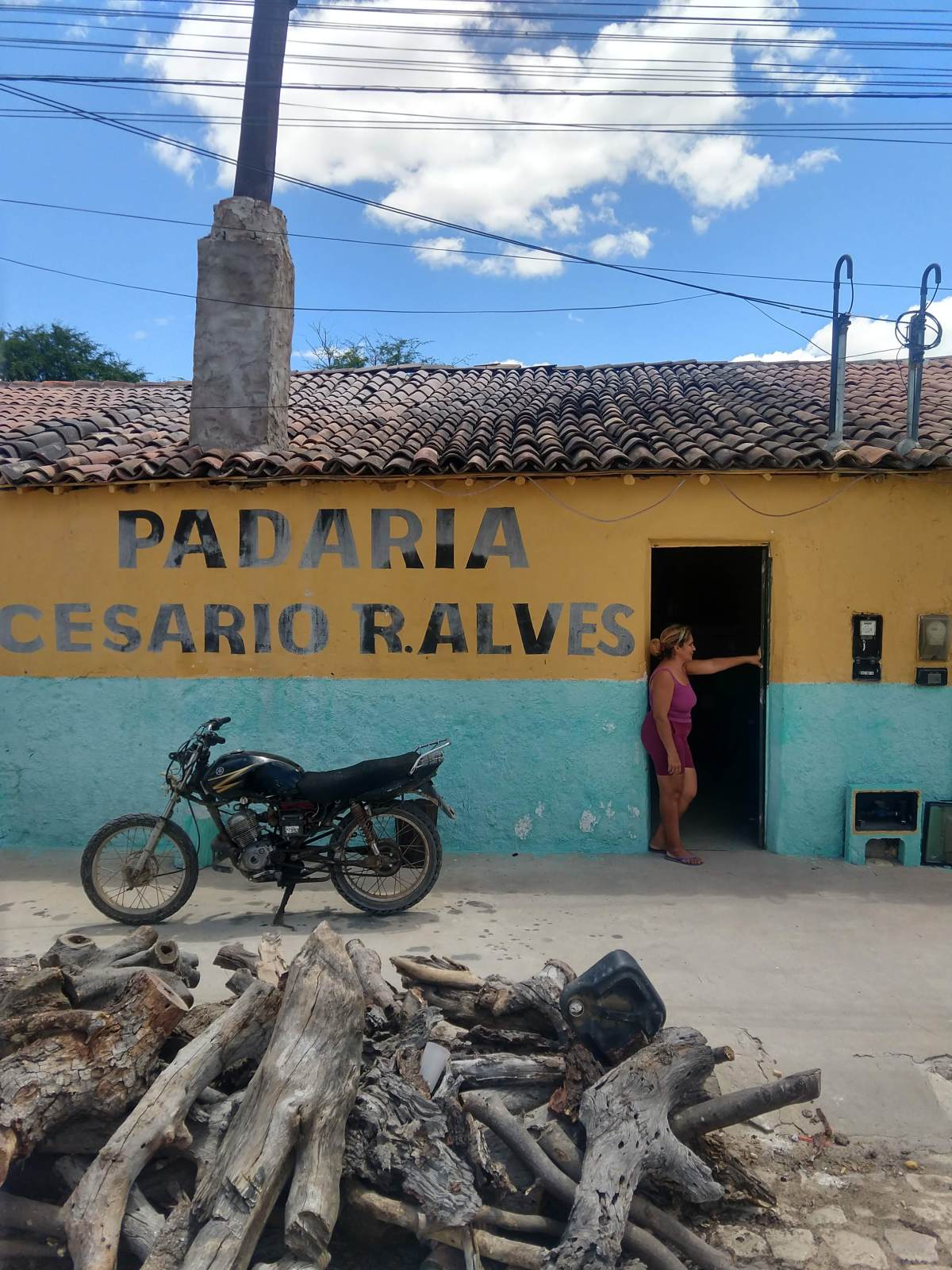
Há mais um ano estávamos em Juremal/BA, um pequeno distrito de Juazeiro e uma das minhas origens. Em frente à casa de uma tia havia essa padaria, poesia pura. É a mais antiga de Juremal. E acho que a única também. Dos Anjos contou para nós que o pai havia deixado a padaria para ela, que compartilhava a lida com o Neuto e os filhos. Deu tanta coisa bonita na conversa que demorei um ano para conseguir contar a história (ou estória, escrevo dos dois jeitos porque fartura de palavras acabou virando resistência, afinal o mundo continua cheio de anjos e bestas também). Na tarde que aparece na foto, ficamos aí conversando e depois voltamos no fim do dia para ver o Neuto preparando a massa. Depois de misturar tudo é preciso deixar a massa descansar e crescer. Fazer pão ensina os princípios, às vezes a gente cresce resistindo, às vezes descansando. Cada etapa invoca uma exigência: mental, física ou moral mesmo. Tem que saber esperar, ficar ali só cuidando, tem que ser ágil e pegar pesado, toda a rotina da casa em função do pão. O forno tem que acender ainda de tarde, enche tudinho aquele forno enorme de lenha, que queima até carvão. No dia seguinte lava tudo e só aí tá pronto para assar os pães. Aí voltei! Acordei cedinho e fui lá ajudar o Neuto. Cheguei bem na hora de começar a carregar o forno. Minha função era abrir e fechar a porta, atento aos movimentos precisamente coordenados do mestre. Aos poucos, ainda bem cedinho, o pessoal da cidade ia chegando para comprar pão. Assamos uns 600 pães naquela manhã. Acho que comi meia dúzia, ali mesmo e depois na casa da tia, já que saí da padaria com o pão do dia ganho. Dizem lá em Juremal que esse é o melhor pão do mundo. Não duvido, era alimento para o corpo e a alma.

Quick disclaimer: the world may not need another text about bread. Juremal is a small little town in the northeastern state of Bahia, in Brazil. It is one of my origins, granted the fact a person is entitled to originate in many places and times. My mom was born in this town and a big portion of our family still lives there. At the end of 2018 we paid them a visit, staying with Aunt Petinha, or Tia Petinha as we say it in Portuguese. Across the street from her house there was this bakery, the oldest in the area, pure poetry. One may ask how come a place that bakes bread can be poetic in any sense or stretch of the word but maybe these few words are not about bread.
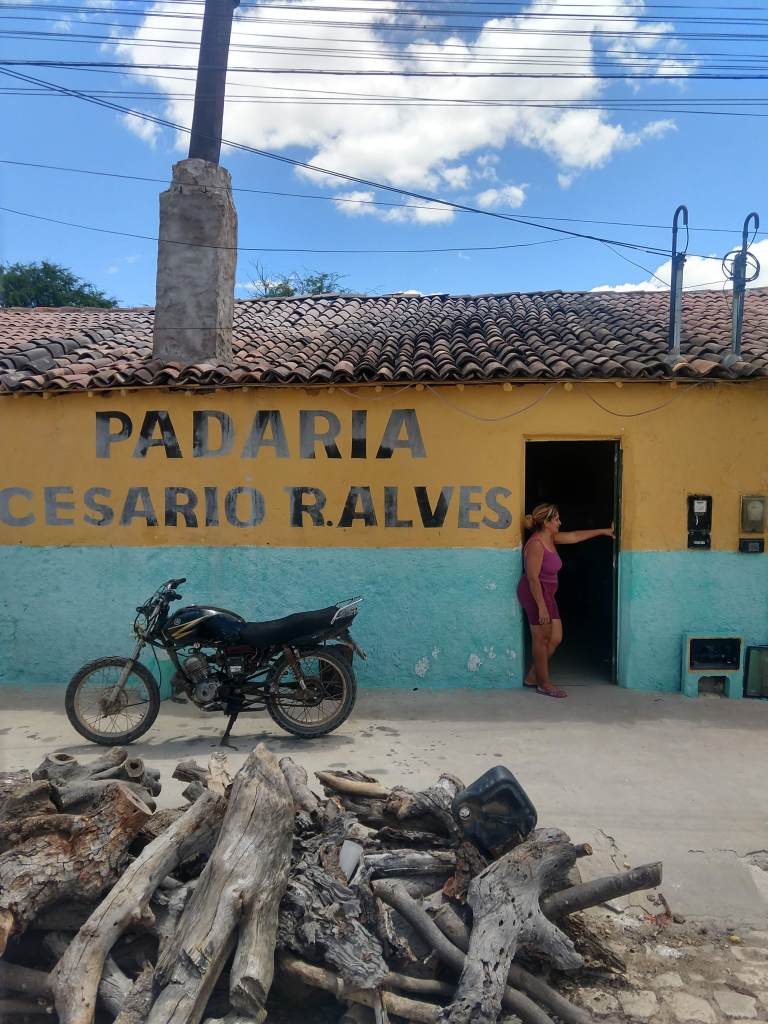
Dos Anjos, the woman who runs the bakery with her family, inherited the business from her father. Neuto, the husband, is the baker. We first got to talk one afternoon, that’s when the picture above was taken. Standing next to their firewood supply we talked about the bread making process, it seemed the whole family dynamic revolved around it. Later that day Neuto would start mixing the dough, which needs to rest for a few hours until it is time to form the loaves.
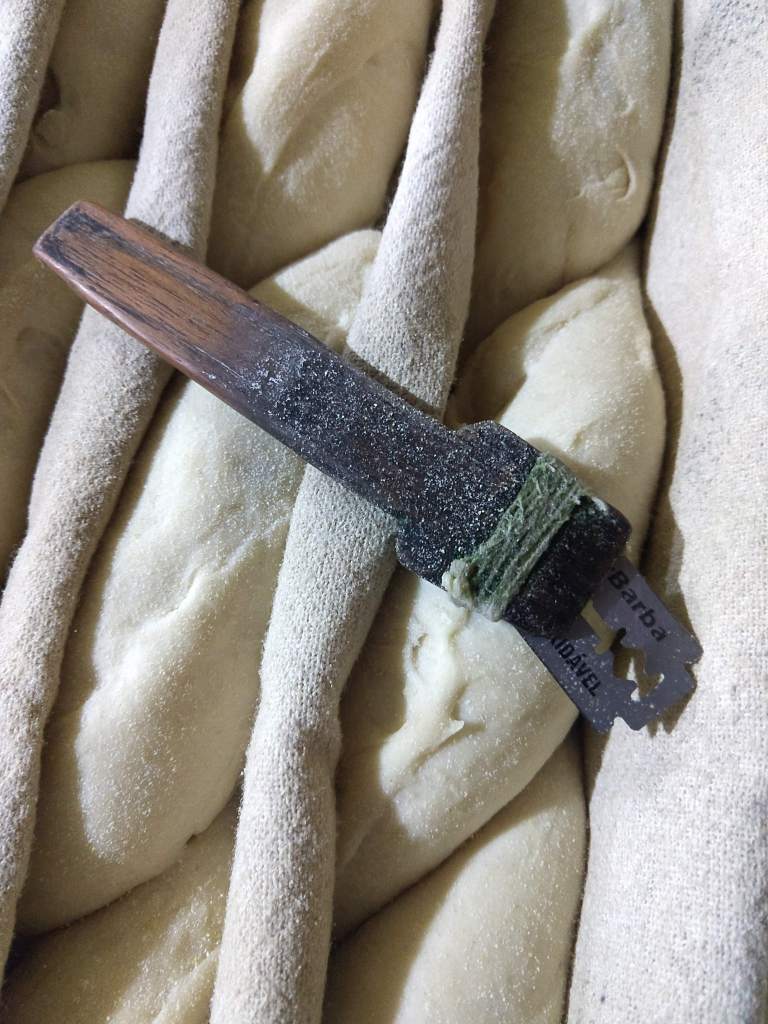
Making bread is hard work, particularly on such a scale. Each step comes with a special requirement, either physical, mental and even moral. One must learn to wait, to be quick or work heavily, the entire family routine happening around those tasks.
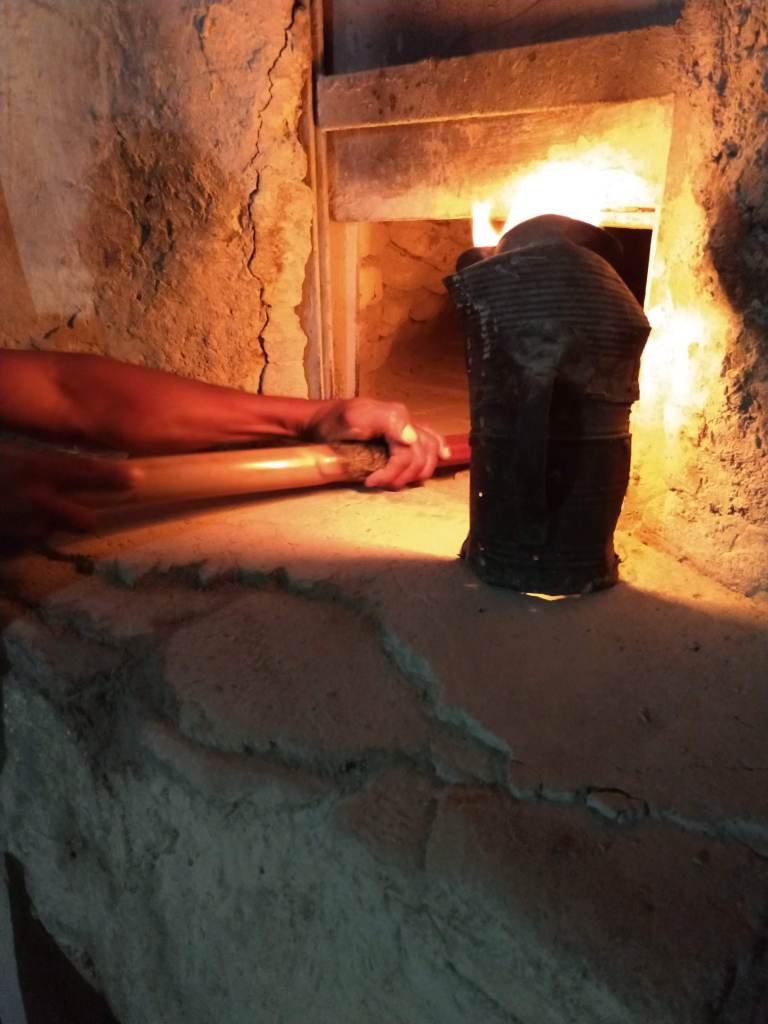
The huge wood-fired oven has to be completely filled by the end of the day, then the wood will burn to ashes that have to be cleaned before baking can actually begin. We were invited to come back: “be here at 5:00AM”, they said. I was! When I got there everything was set up so baking could start. Neuto would load this long board with loaves he would quickly release into the oven. It was frenzy but he had it under control. Or maybe I should say we, since at that point I was no longer an observer but took part in it. My task was to open and close the oven’s door, watching closely Neuto’s moves and trying to stay out of the way.
On that morning we baked 600 “pãezinhos”, our way of referring to bread. I confess, after eating a few loaves there I brought some more with me and ate again when the family was ready for breakfast. They say over there this is the best bread in the world. It’s hard to disagree, when such a simple thing, skillfully made by someone, is food for your body and your soul, this is the best thing ever.


 Saber com as Mãos